New skincare usually arrives with hope. Boxes are opened together, bottles are arranged by number and the whole ritual is tried on the first evening. If redness appears the next morning, there are five suspects and no answer.
For reactive skin, taking things slowly helps reveal what is happening. It does not mean a product is automatically dangerous or that skin must live without active ingredients. It means allowing each change enough space to show itself on its own.
Sensitive, sensitised or a skin condition?
‘Sensitive skin’ is a consumer term for burning, stinging, tightness or redness in response to things other people tolerate. Some people have this tendency for years. In other cases, skin becomes temporarily reactive after excessive exfoliation, sun exposure, harsh cleansing or unsuitable layering. This is also described as sensitised skin.
Similar signs can accompany rosacea, eczema, contact dermatitis or another condition. A cosmetic article cannot provide a diagnosis. A persistent rash, swelling, weeping, marked itching, pain or problems around the eyes should be assessed by a professional.
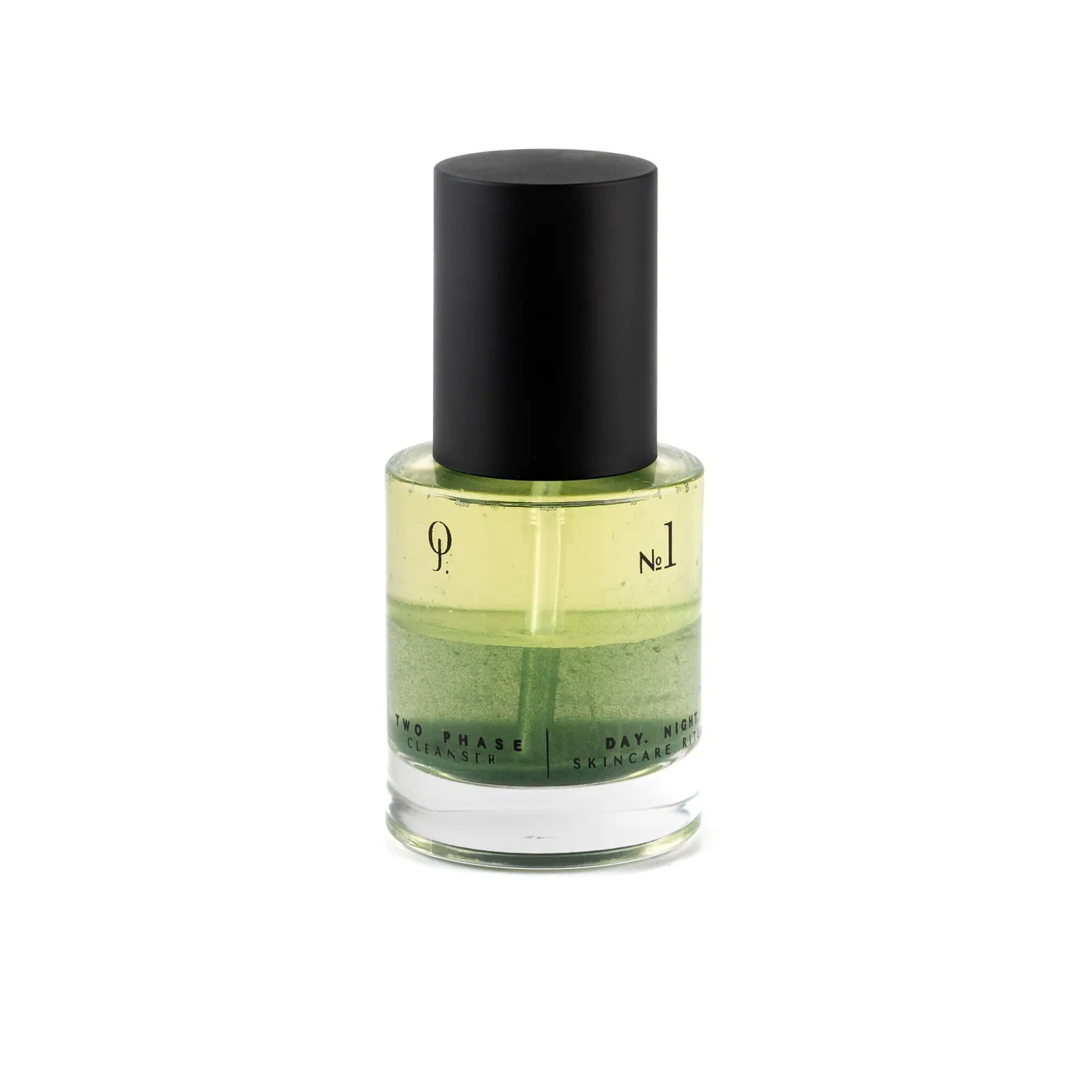
No1. Two Phase Cleanser
Explore productFirst, reduce the number of variables
If skin is currently irritated, it is not the right moment to test a complete new system. Return to a few familiar, well-tolerated products and give the surface time. Introduce something new once the condition is stable.
Begin with one product. For a ritual, a practical order can be:
- check that the cleanser is tolerated,
- add the water-based toner,
- introduce hydration after several days to a week,
- leave the oil or balm finish until last,
- do not test the day and night versions on the same day.
The exact interval depends on your history of reactions. The more complicated a previous reaction was, the more sense it makes to consult a dermatologist before experimenting at home.
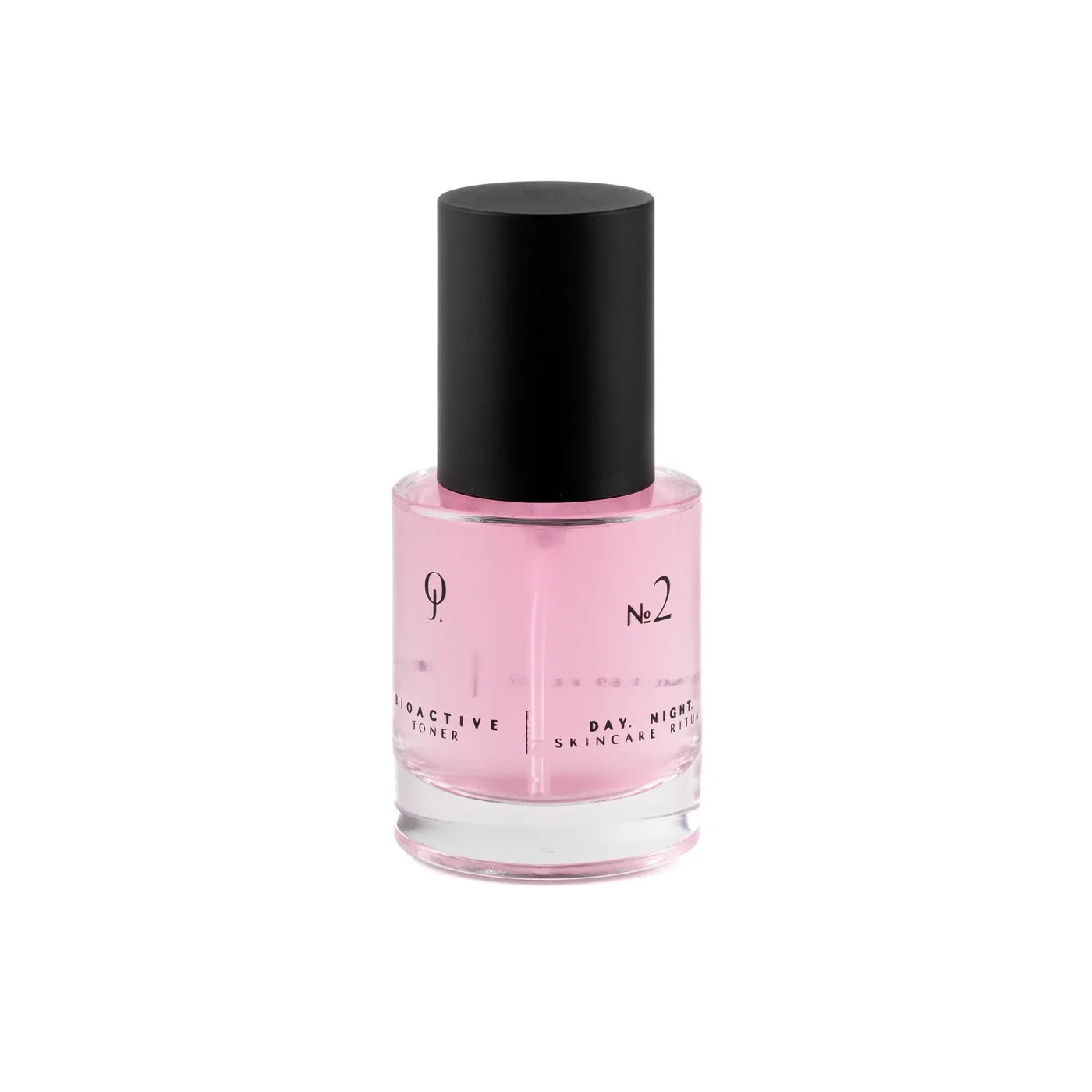
No2. Bioactive Toner
Explore productA home test is not a medical patch test
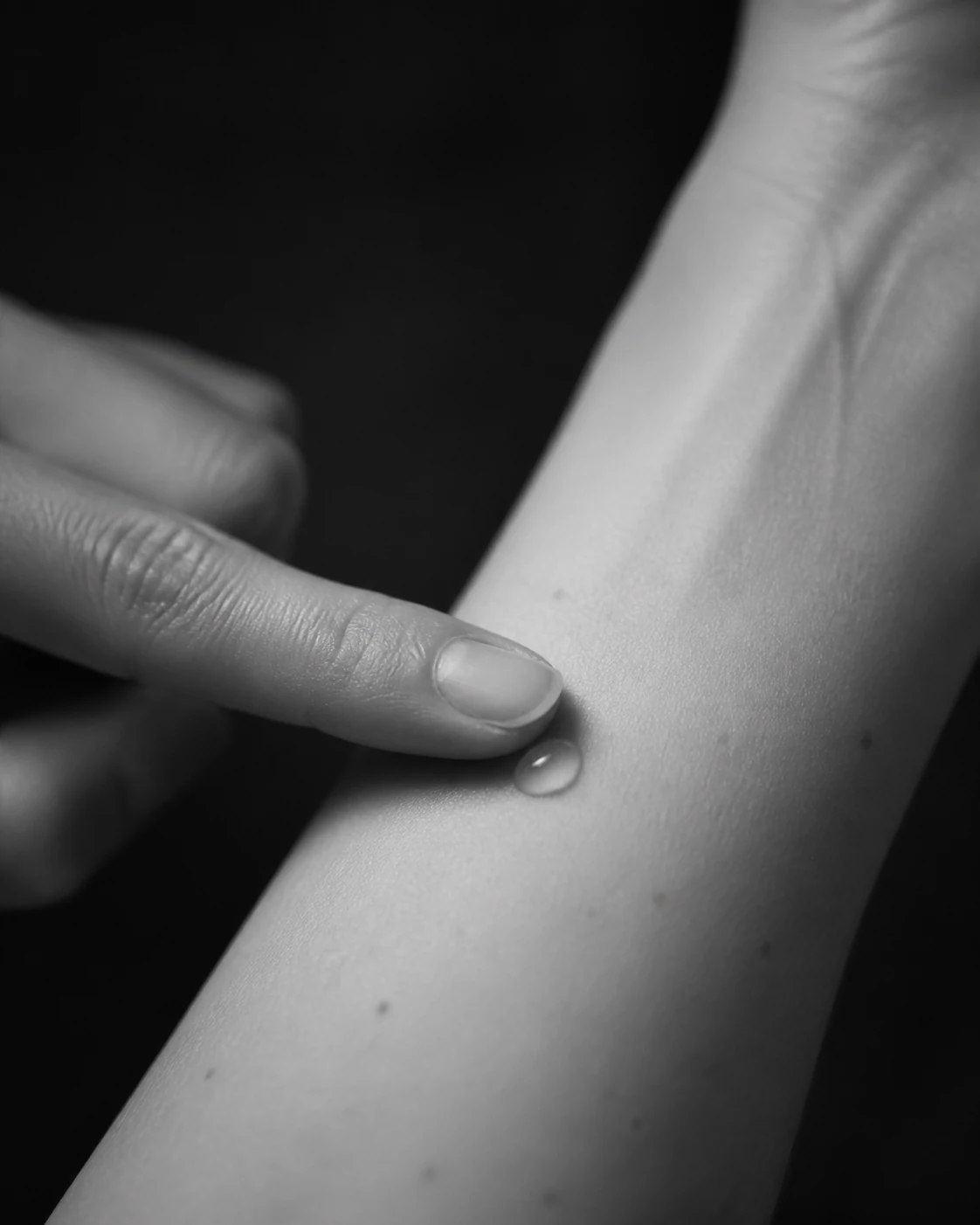
The American Academy of Dermatology recommends first trying a new product on a small area twice daily for seven to ten days. Choose somewhere the product will not easily rub or wash off, such as the inner arm or elbow crease. A rinse-off product should be left on only for the time appropriate to normal use and its instructions.
This can reveal obvious intolerance, but it is not the same as a diagnostic patch test performed by a dermatologist. A negative home test also does not guarantee that your face will not react: the skin, application frequency and combination with other products differ.
If redness, itching or swelling appears, wash the product off and do not use it again. Seek medical advice for a severe or persistent reaction.
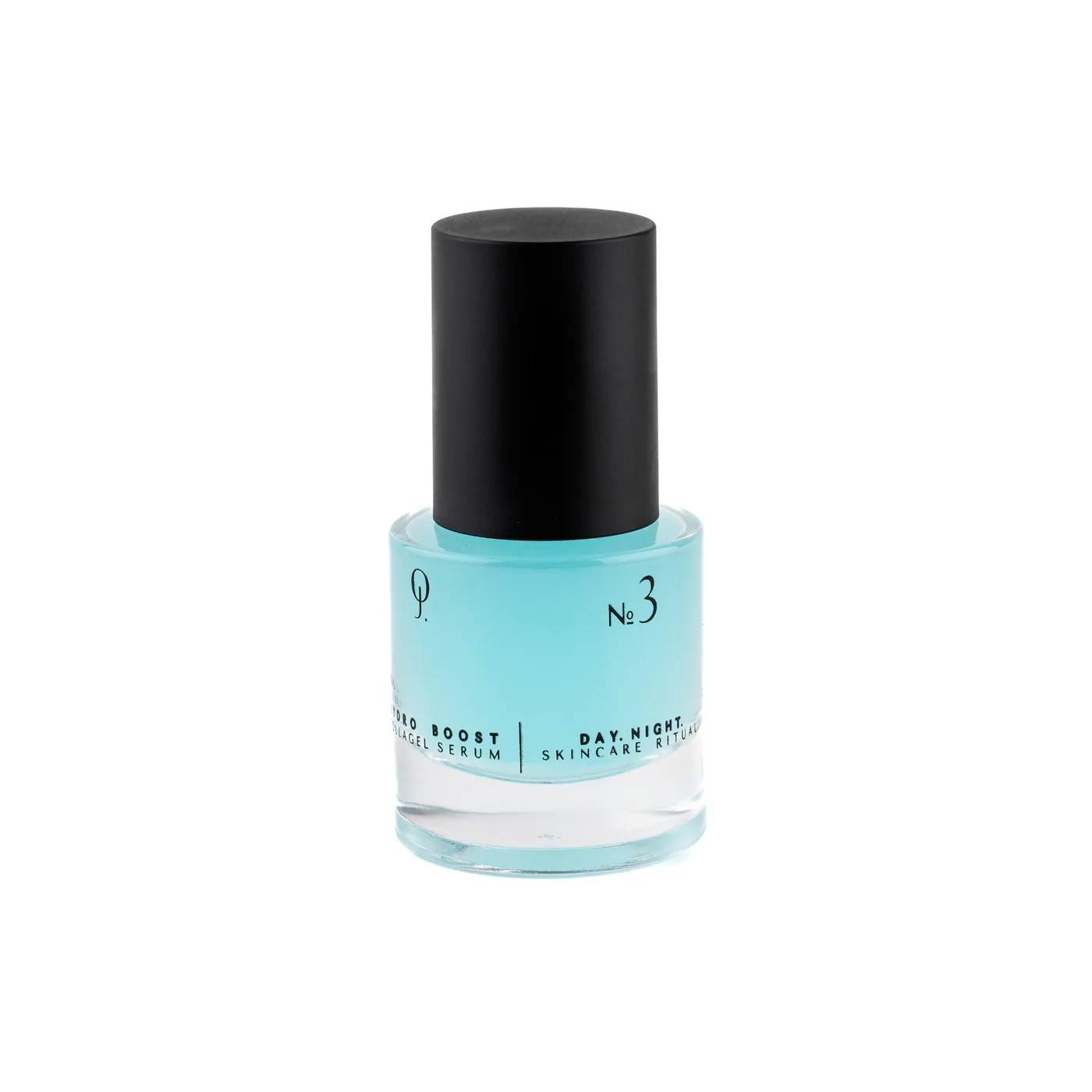
No3. Hydro Boost Collagel Serum
Explore productIrritation and allergy are not the same
Irritation often depends on dose, concentration and the condition of the barrier. A strong acid can irritate almost anyone if used too frequently. An allergic contact reaction is an immune response to a specific allergen and can develop even after previously trouble-free use.
Without an assessment, it can be difficult to tell the difference. The practical response is the same in both cases: stop the suspected product, do not cover the problem with more active ingredients, and consult a dermatologist if symptoms are significant. An online list of ‘comedogenic’ or ‘toxic’ ingredients does not identify the cause.
Fragrance and botanicals: beautiful, but not neutral
Sensitive skin may enjoy botanical products, but plant origin is no guarantee of tolerance. Essential oils and fragrance ingredients are among the common reasons one person loves a product and another cannot use it. With a confirmed allergy, look for specific names in the INCI list.
‘Unscented’ does not necessarily mean free from fragrance ingredients, and a botanical product may have a scent without Parfum. The complete list therefore matters more than the front of the packaging.
Less product is often a better test
A first application should not demonstrate how generously a product can be used. Follow the recommended amount rather than applying a thick layer ‘to see the effect’. With oils and balms, begin at the lower end of the dose. Too much product can create warmth, an occlusive feeling or congestion that is easily mistaken for allergy.
Record the date, product and reaction. Photographs in the same lighting can help during a consultation. If you are also changing laundry detergent, haircare or medication, note that too. Skin does not live separately from the rest of the day.
A travel size reduces cost, not biological risk
A miniature is a reasonable choice if you want to assess scent and texture without buying a large pack. It is not ‘safer’ simply because it is smaller. The same composition has the same potential for intolerance. Its advantage is a smaller financial commitment and the opportunity to try the system gradually.
Sensitive skin is not disobedient. It simply gives feedback more loudly. Giving new care time, small steps and a minimum of simultaneous changes provides something more valuable than a quick impression: you will know what actually worked for you.
What to do if your skin still reacts
The first response is not to find a product that will ‘overpower’ the reaction. Stop using the new product, rinse it off if it remains on the skin, and return to simple care you know you tolerate. Do not add an exfoliant, a strongly fragranced oil or several new soothing products at once. Even a well-intentioned mixture makes identifying the cause harder.
Note the timing, location and appearance of the reaction. Burning within minutes, itching after hours and spots after several days tell different stories. A photograph in neutral light and the exact INCI list will help when discussing the situation with the brand, a pharmacist or a dermatologist. Facial swelling, difficulty breathing, widespread hives or a rapidly worsening reaction require immediate medical help.
Once the skin has settled, you do not necessarily need to abandon the entire ritual forever. If it is appropriate to identify the trigger, reintroduce products individually and with intervals, but do not retry one that caused a significant reaction without professional advice. Sometimes the issue is not a brand or ‘natural cosmetics’ as a whole, but a particular fragrance ingredient, preservative or combination with an already irritated barrier.
Sensitive skin does not need cosmetic bravery. It needs predictability, clear information and permission to reject even a beautiful product. The best routine is not the one with the most active ingredients, but the one that stops making skin a daily surprise.
When returning to simplicity, also avoid hot water, prolonged rubbing with a towel and repeatedly touching the skin to check whether the burning has stopped. Irritated skin does not need constant checking by touch. Give it quiet, gentle care and time. If the condition does not improve or recurs without an obvious cause, seek professional assessment.
Get personal guidance