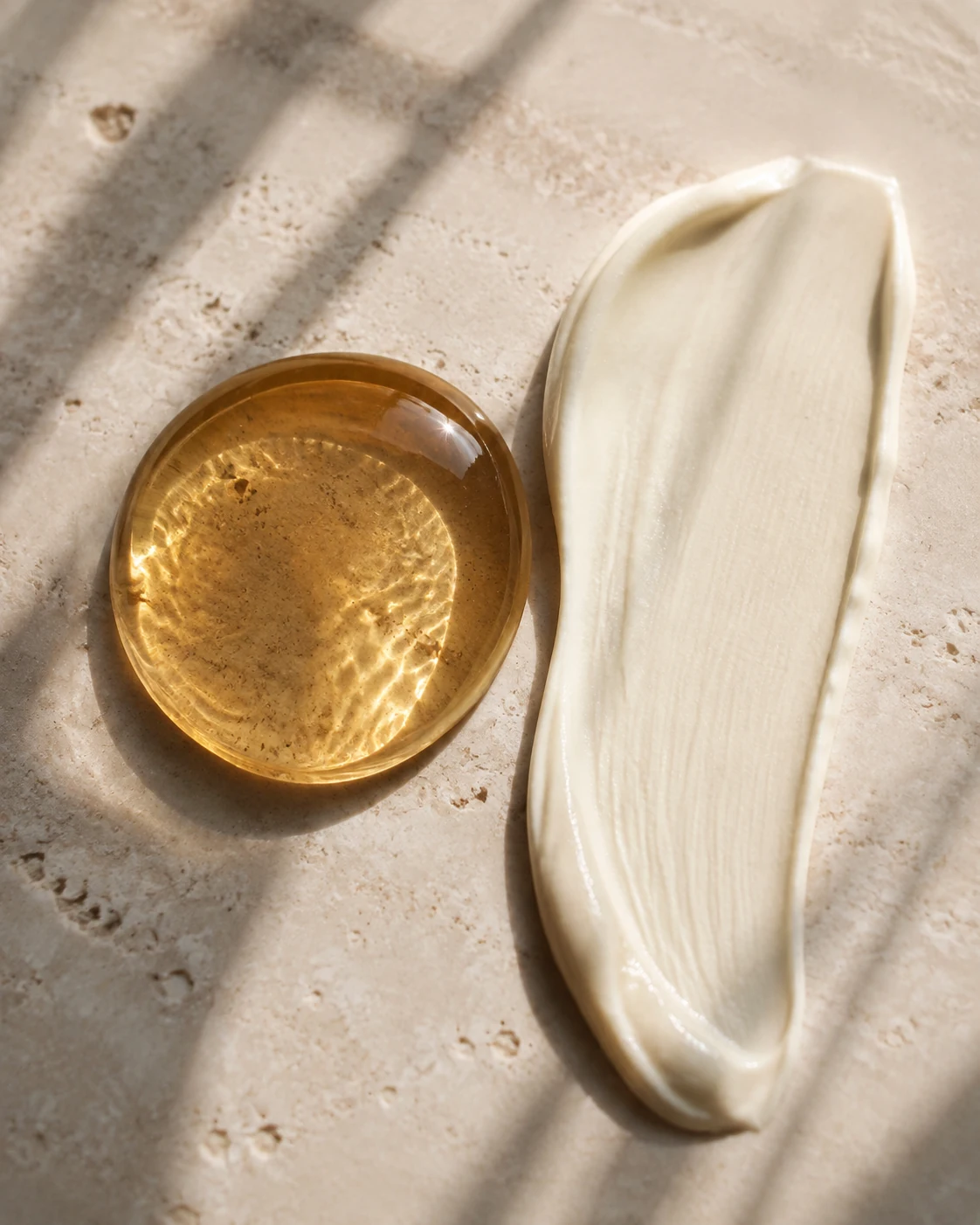
At a skincare consultation, dry skin can describe several different sensations. One person means flakes around the nose, another tightness after washing, another fine lines that look more noticeable at night. Someone else has a shiny T-zone too, and wonders whether dry is even the right word.
The distinction is not a remote diagnosis, but can guide more logical care. Dry skin is usually associated with lower sebum production and fewer surface lipids. Dehydration describes skin lacking water or struggling to retain it. Dryness tends to be a longer-term characteristic; dehydration can change with weather, heating, cleansing, illness, travel and an overloaded routine.
Why oily skin can feel tight
Sebum and water are different. Skin can produce enough sebum yet feel uncomfortable after cleansing or lose more water through its barrier. The result can seem contradictory: a shiny forehead with tight cheeks, visible pores with little flakes beneath make-up.
Stronger cleansing can seem tempting because shine looks like evidence of dirt. More aggressive stripping may worsen tightness. Reviewing cleansing, reducing frequent exfoliation and adding water-based and lipid care in comfortable amounts often makes more sense.
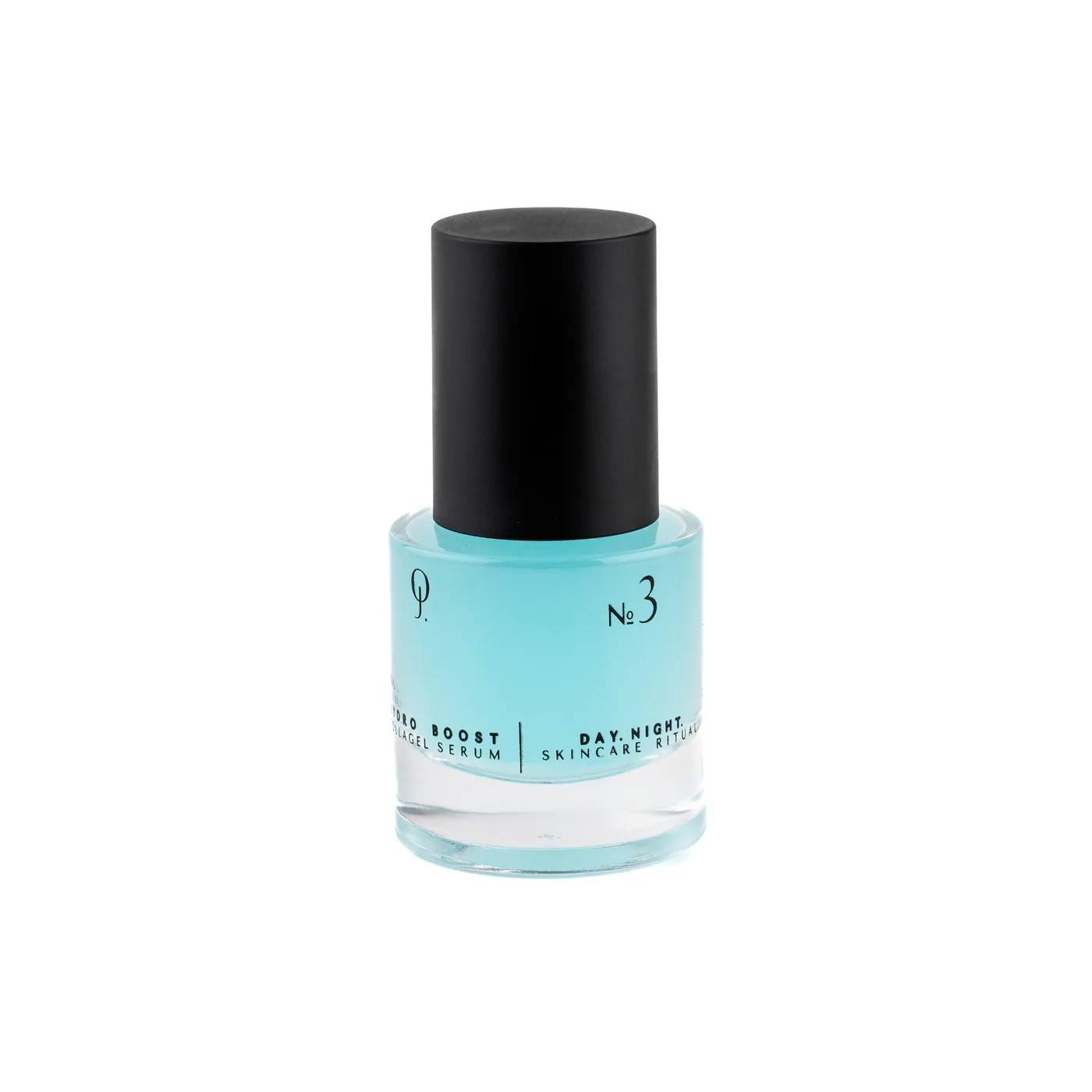
No3. Hydro Boost Collagel Serum
Explore productThree groups matter more than one hero ingredient
Hydrating products often combine three types of ingredient:
- Humectants attract and bind water in the upper layers. Examples include glycerin, hyaluronic acid and its salts.
- Emollients smooth the surface and contribute to suppleness. They may be botanical oils, esters or other lipids.
- Occlusive ingredients help limit water evaporation by forming a film. They need not feel heavy, although richer balms generally make greater use of them.
A humectant without a finishing layer may not be enough for very dry skin. Oil alone supplies no significant amount of water. Combining a watery serum with an appropriate lipid layer therefore makes sense, not because either bottle is incomplete, but because they address different aspects of the same sensation.
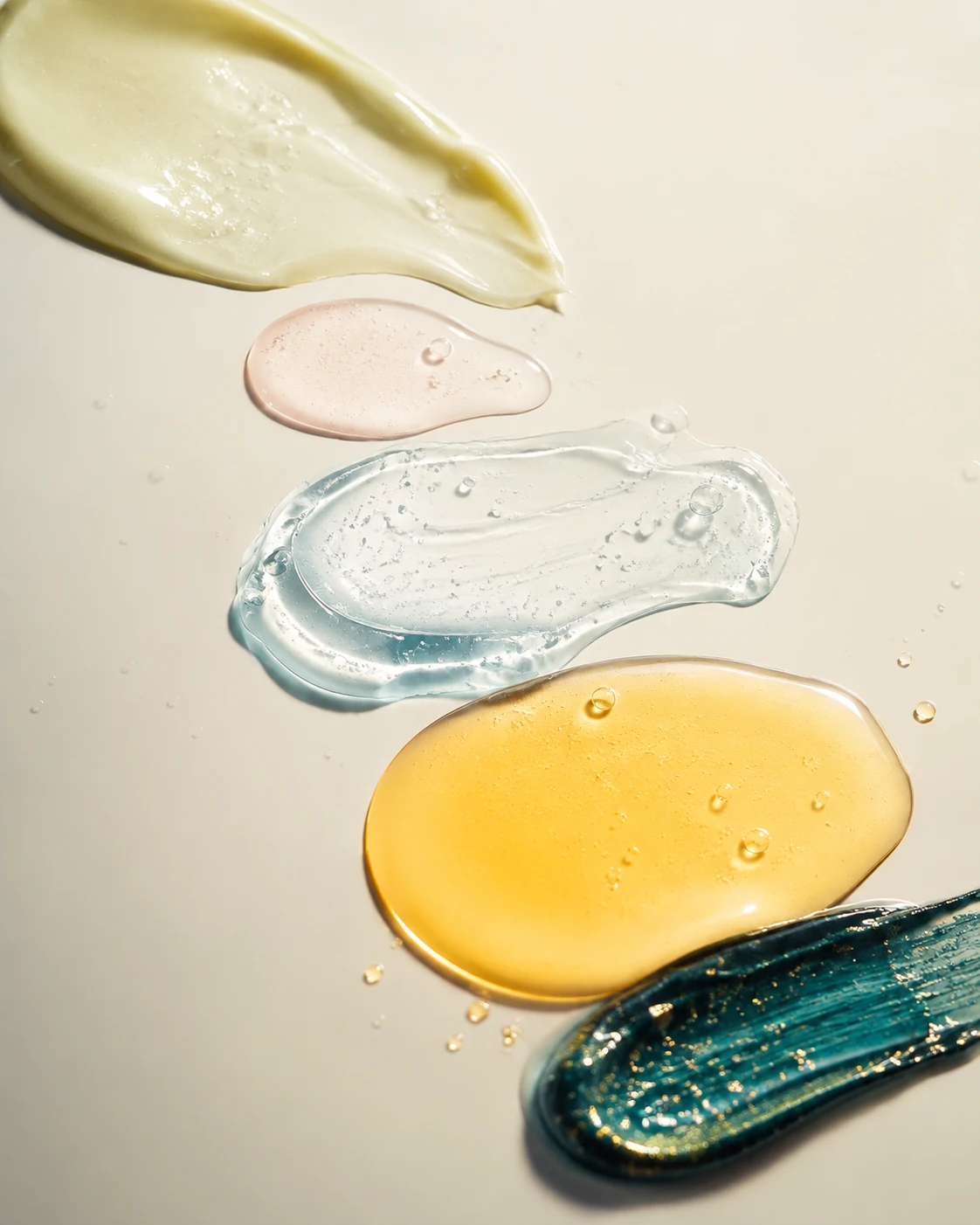
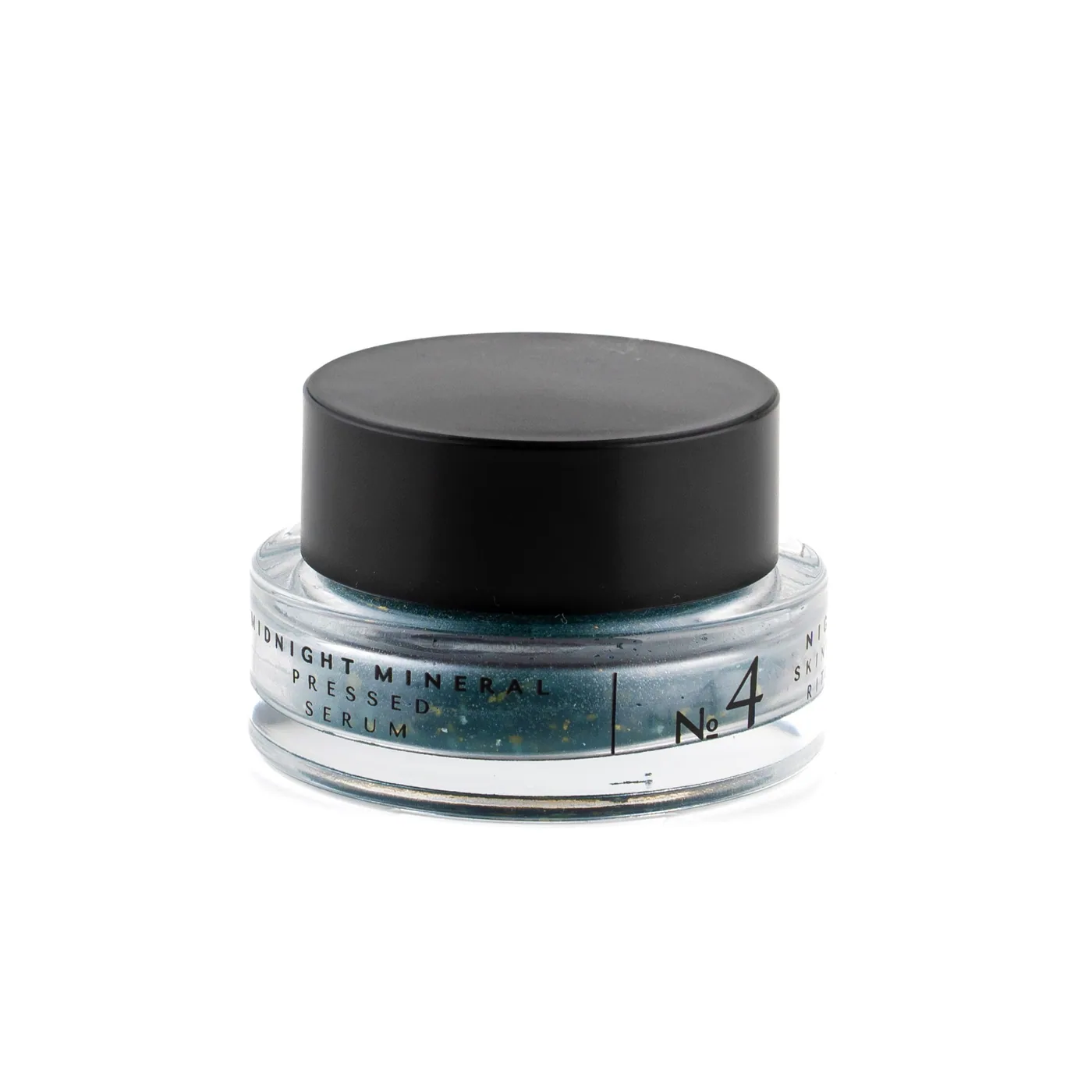
No4. Midnight Mineral Pressed Serum
Explore productA small observation exercise at home
Notice your skin in several situations, not only immediately after applying cream:
- Does tightness mainly follow washing? Check water temperature, cleanser amount and cleansing time.
- Do flakes appear even with a gentle routine? Skin may need more lipids or professional assessment.
- Do fine lines become more noticeable during the day and temporarily soften after hydration? Dehydration may contribute.
- Is there burning, severe itching, cracking or weeping? That is no longer a matter for cosmetic guesswork.
These signs are not laboratory measurements. They can nevertheless reveal a pattern and help you stop answering every problem with stronger exfoliation.
Steps 3 and 4: water and the finish
In the J.Oli Origins ritual, No3. is the concentrated hydrating layer. Apply it after toner, ideally before skin has completely dried. No4. adds the lipid finish: lighter during the day, richer in the evening.
Evenness matters more than a large dose. Three thick layers applied in quick succession can pill and feel heavy. Begin with less, press serum on with your palms and add the final layer where skin needs it. You can use a drop less on the forehead and more on the cheeks.
Weather can change the rules within a week
Winter combines cold outdoor air with heated interiors. In summer, air conditioning adds another dry environment, while heat increases sweating and preference for lighter textures. Skin that loves oil in April may want half as much in July. That is not inconsistency or product failure, but a normal response to conditions.
Flying similarly brings low humidity and long hours in conditioned air. Repeatedly spraying a water mist without a following layer may not solve dryness. Gentle hydration before the flight, followed by a thin layer to help retain it, often makes more sense.
Cosmetics can improve the comfort and appearance of dry or dehydrated skin. They cannot remotely determine the cause of persistent irritation. When dryness comes with marked itching, cracks, pain or recurring inflammation, contact a dermatologist rather than reaching for another bottle.
When dryness and dehydration occur together
The two conditions can coexist. Skin may have fewer natural lipids over time and also become temporarily dehydrated after winter, travel or unsuitable cleansing. Choosing either water or oil is then insufficient. Gentle cleansing, watery hydration and an appropriate lipid finish make sense. Appropriate is the key word: a thick layer without hydration beneath may smooth the surface while tightness remains.
Observation is more reliable than a single mirror test. Dehydration can fluctuate over days with the environment and routine. A dry skin type generally returns as a longer-term pattern: less sebum, a tendency to flake and a need for lipids across seasons. Fine lines becoming less obvious after hydration have not been erased overnight; surface comfort and the skin's optical appearance have mainly changed.
A useful seven-day exercise is to keep the same products, make cleansing gentler, use a consistent water-based step and avoid changing exfoliation or actives at the same time. Record just two things: tightness after washing and how skin feels two hours after finishing care. If it does not improve, itches markedly, cracks or becomes inflamed, cosmetic categories may be insufficient and a dermatologist is appropriate.
Humectants also need a well-designed finished formula, not simply a large number on the front label. More hyaluronic acid does not automatically mean more comfortable hydration, and stickiness does not measure effectiveness. Consider the whole result: suppleness, comfort, compatibility with the finishing layer and whether you want to use the product consistently.
Explore No3. Collagel hydrating serum