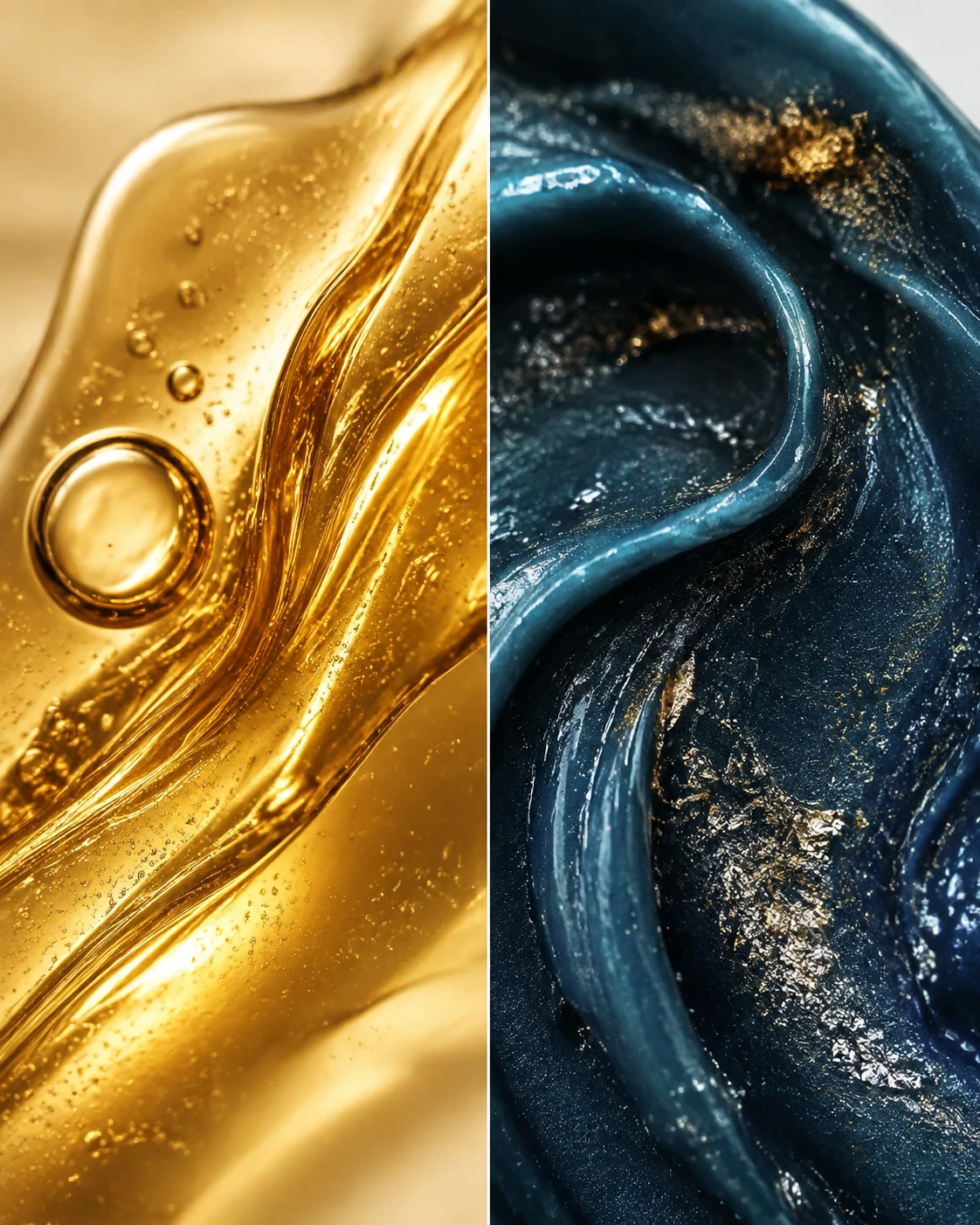
The same products can sit on a shelf, yet two women may turn them into very different routines. One applies toner, hydrating serum and finally a few drops of oil. The other starts with oil, adds a water-based serum on top and finishes with another layer because her skin still feels dry. The first routine will usually come together more easily. The second may slip, pill or leave an uncomfortable film.
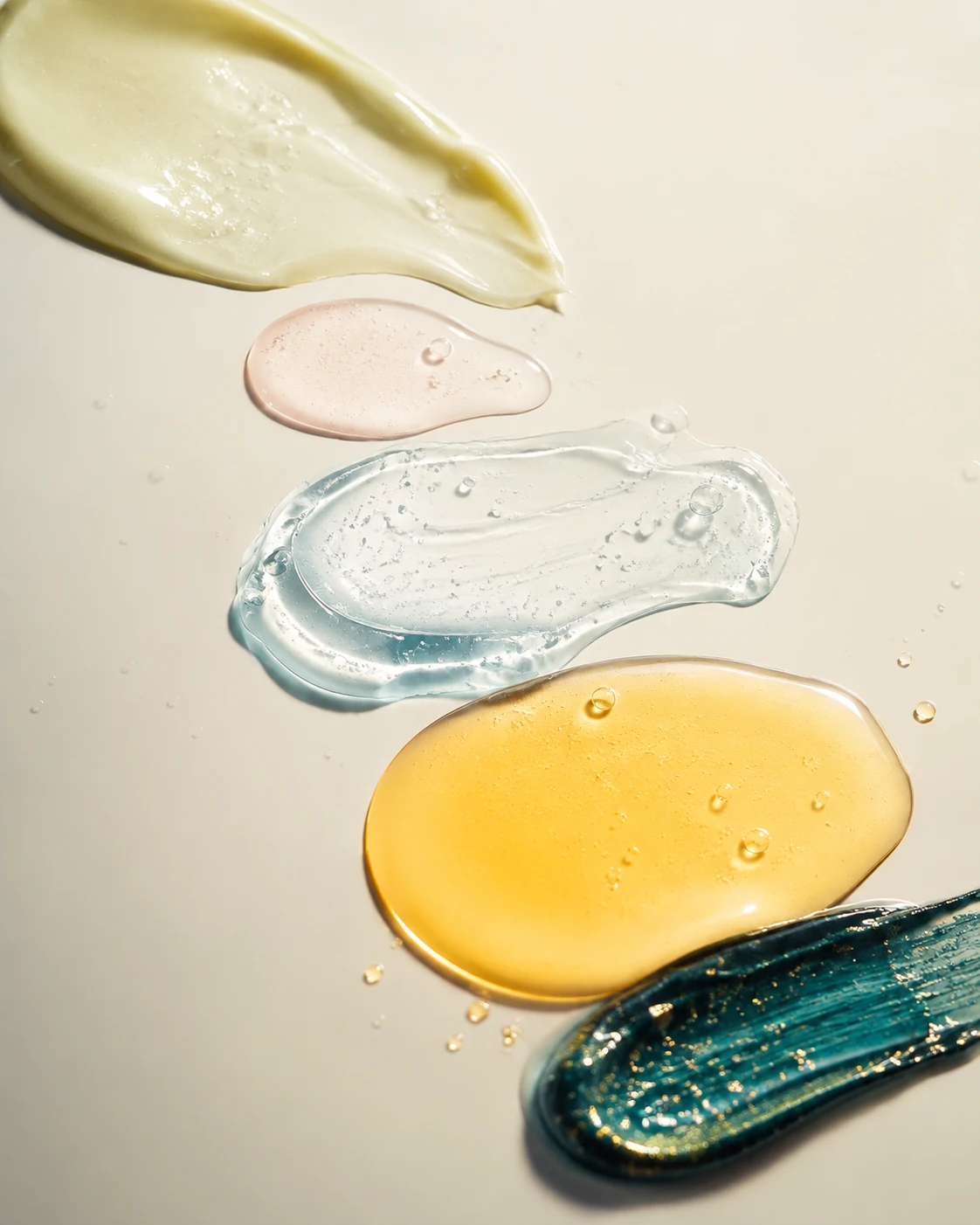
There is no secret rule allowing only certain molecules into the skin. It is mainly a question of texture, spreadability and the film a product creates on the surface. Light water-based products generally go on before emulsions, oils and balms because they spread more easily that way. There are exceptions: some serums are emulsions, some oil formulas are very light, and some medicines have precise instructions of their own. The label on the particular product always takes priority over an internet rule.
The first step is a clean start
The sequence begins before the first caring layer. In the evening, sebum, sweat, dust, make-up and sunscreen residues meet on the skin. A cleanser should not strip skin until it squeaks. It should remove what needs to go while leaving the skin comfortable.
With a two-phase product, what happens inside the bottle matters. The water and oil phases naturally separate, so shake before use. The oil phase helps dissolve oily impurities and make-up; the water phase allows the mixture to rinse away. Shaking is not a gesture for show: it is essential for using both parts of the formula evenly.
After rinsing, there is no need to rub your face with a towel. Gently press it against the skin. If a water-based toner or serum follows, the skin can remain slightly damp: not so wet that the product runs off, but not completely dried out by waiting.
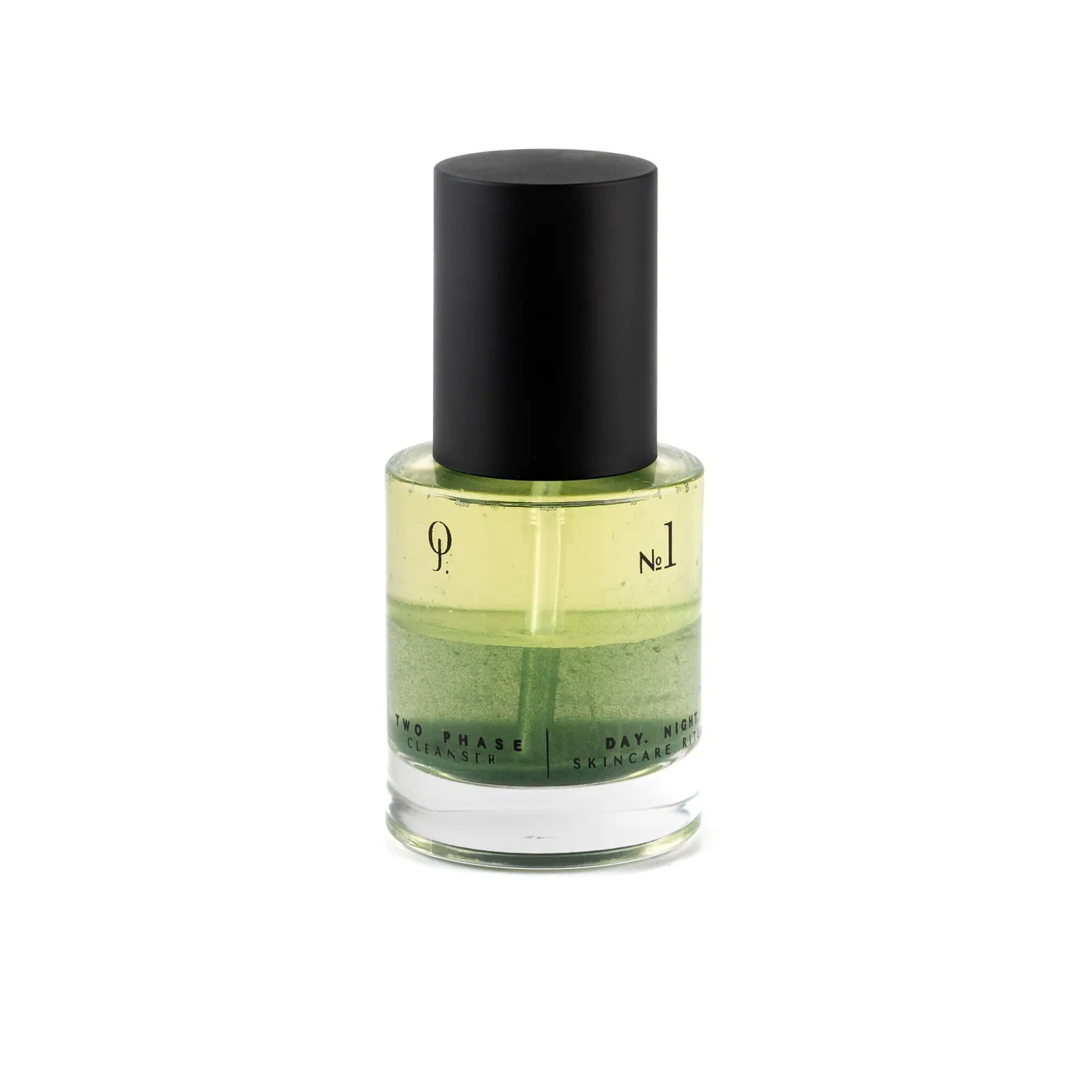
No1. Two Phase Cleanser
Explore productFrom the lightest texture to the finishing layer
You can remember the practical sequence without studying ingredient names:
- cleanse,
- apply a water-based or very light balancing layer,
- add a hydrating serum,
- finish with an oil, emulsion or balm,
- add separate sun protection in the morning.
Toner and hydrating serum are not two versions of the same thing. After cleansing, toner can restore a sense of watery comfort and prepare the surface; a more concentrated hydrating serum brings humectants and other ingredients in a leave-on formula. The oil or balm step adds lipids and helps reduce the feeling that the watery layers disappear quickly. Oil alone does not supply water to skin, but it can provide a more comfortable finish over a layer that contains water.
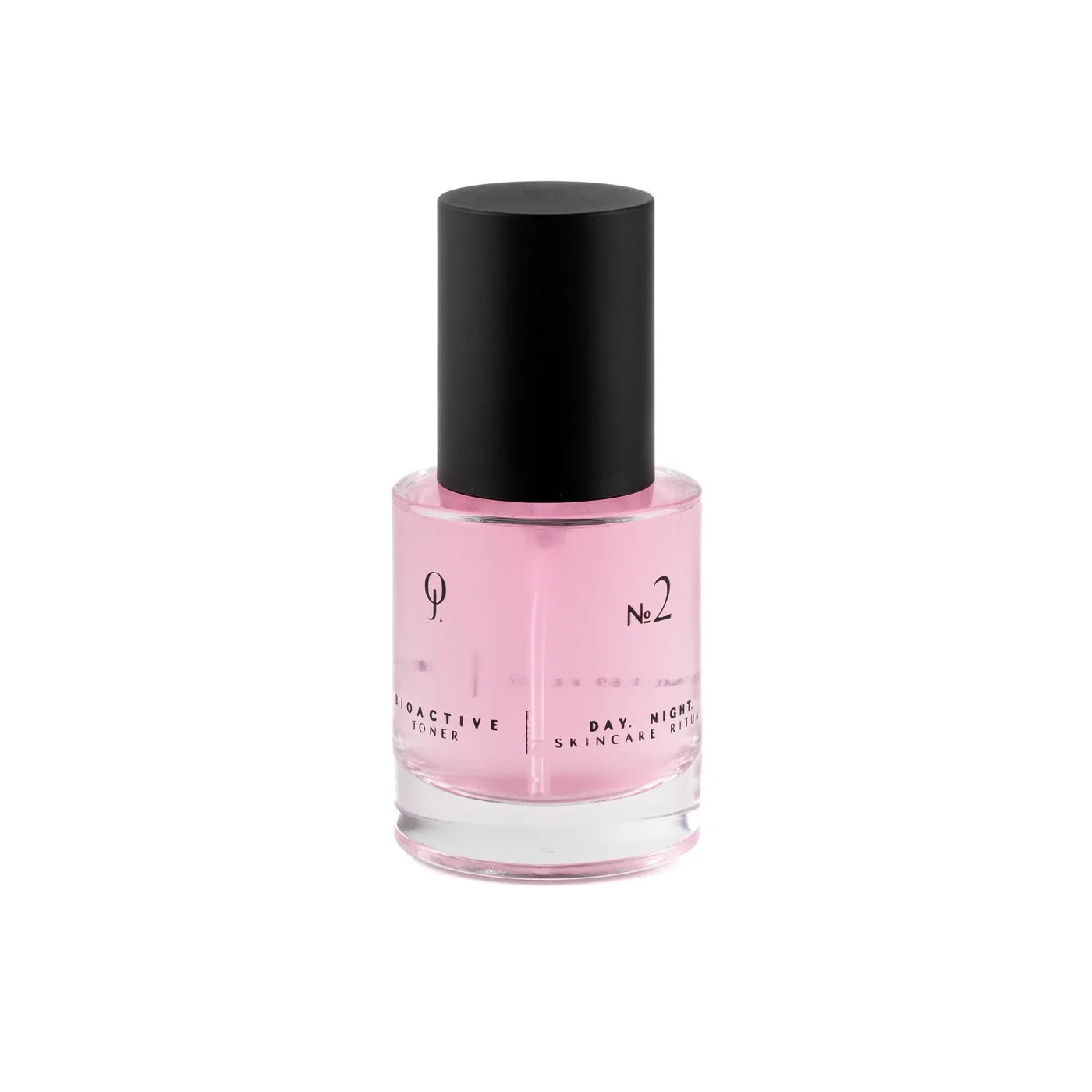
No2. Bioactive Toner
Explore productDo you need to wait between layers?
You usually do not need a five-minute timer between bottles. Add the next step when the previous product has stopped moving freely and the surface is no longer noticeably wet. Sometimes that takes ten seconds, sometimes a minute. A longer wait makes sense if the manufacturer gives specific instructions or the combination with sunscreen or make-up pills.
Pilling does not prove that a product has failed to absorb. It is often a mechanical problem: too many layers, a large dose, prolonged rubbing or incompatible film-forming ingredients. First reduce the amount and gently press on the next layer instead of massaging in circles. Only then consider changing the whole routine.
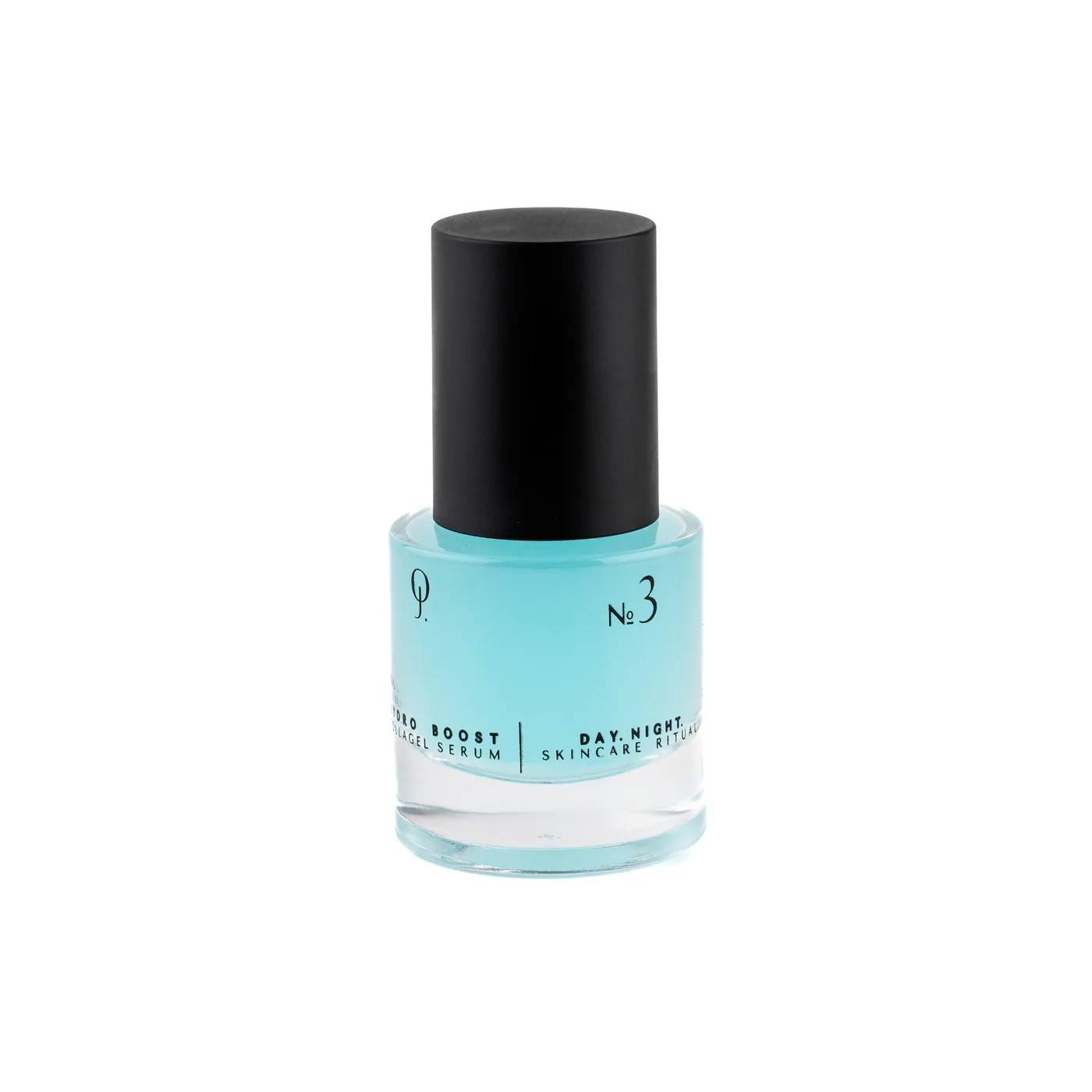
No3. Hydro Boost Collagel Serum
Explore productWhen skin protests after four steps
Order cannot fix an unsuitable formula or sensitivity. If burning, pronounced redness, itching or swelling appears, moving the product one place in the sequence is not the answer. Stop using it, and consult a dermatologist if the reaction is severe or persistent.
If the result simply feels too rich, try less of the final layer. With oils and balms, one extra drop can make the difference between suppleness and a greasy film. Conversely, more oil often will not solve tightness if there is no water-based hydrating layer beneath it.
A good sequence is not a test of discipline. It gives each product room to work while keeping care brief. Once it becomes familiar, you stop counting the steps. What remains is a movement you know by heart.
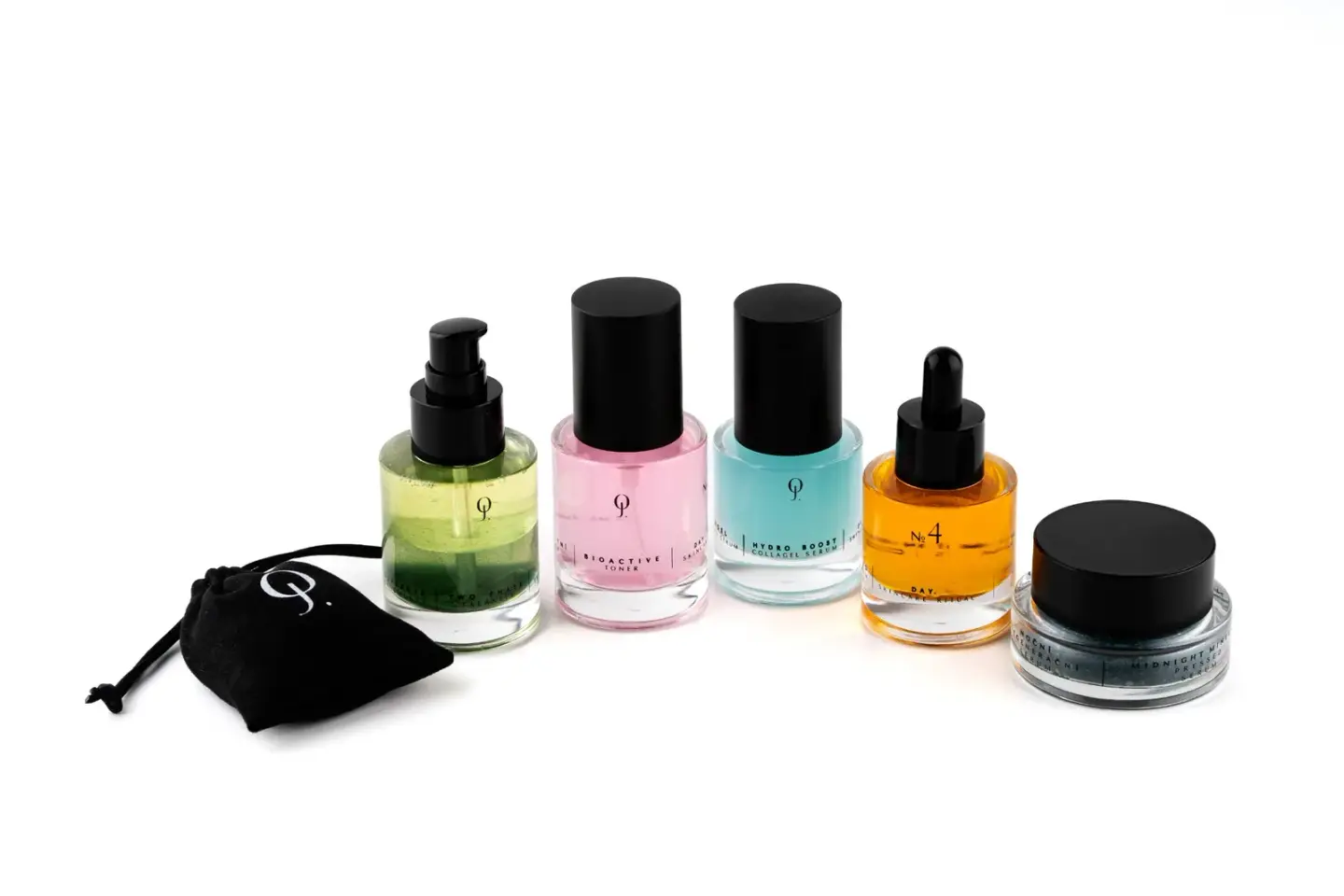
Generation Perfect Complete
Explore productTry adjusting one half of your face
If you are unsure whether order, amount or a particular combination causes a problem, you do not have to keep a cosmetic diary for a week. One evening, imagine dividing your face into two halves. Apply the same water-based steps to both, but use half your usual amount of finishing oil or balm on one side. In the morning, look beyond shine. Notice tightness, smoothness, how the skin feels and whether either side feels warmer or itchy. This simple comparison often reveals more than adding another product.
You can investigate pilling in a similar way. Try shorter spreading on one occasion and gentle pressing with the palms on another. If little rolls appear only after a long massage, the formulas may not be incompatible; rubbing may simply be gathering their films together. Applying thinner doses across the whole face instead of several large dots may also help.
The biggest mistake is changing several things at once. If you reverse the order, add a new product and double the amount, your skin can no longer tell you what caused the problem. Change one variable and allow a few normal applications, unless irritation appears: in that case, stop the product immediately.
One more point: eye care, local treatments and medicines do not automatically follow the same sequence as cosmetic skincare. If they have their own instructions or a doctor's recommendation, use them exactly as directed. The lightest-to-richest sequence is a useful guide, not a rule that overrides a product's specific instructions.
Compare water-based and lipid layers Explore the ritual step by step