In the morning, the bathroom is often a place for quick decisions: how many minutes remain, what will work under make-up, whether it is freezing or thirty degrees outside. In the evening, the setting changes. The day's residues are on your skin, and care can be slower, more tactile and sometimes more fragrant. That difference alone gives a reason to choose another finishing texture.
Cosmetics like to speak of night repair and a daytime shield, as though skin switches programmes at ten o'clock. Skin does have biological rhythms, and some functions change through the day and night. That does not make an ordinary cream a treatment governed by the clock. For everyday choices, it is more practical to consider what your skin will face and what you will layer over it.
In the morning, compatibility matters
The morning finish has to work with sun protection. That matters more than marketing labels such as day and night. Too much oil can make the following sunscreen harder to spread, slippery for longer or prone to pilling with make-up. Daytime oil serums are therefore often lighter and used sparingly.
Antioxidant ingredients, botanical oils and CoQ10 can contribute to cosmetic care for a fresh appearance. They do not replace UV filters. The morning sequence therefore does not end with day serum: after it settles, apply a separate broad-spectrum sunscreen in an adequate amount.
An interesting detail: sunscreen is not judged by how comfortable skin feels in the sun. UV radiation is not heat, and damage need not hurt or burn while you are outside. A comfortable oil film therefore says nothing about the level of protection.
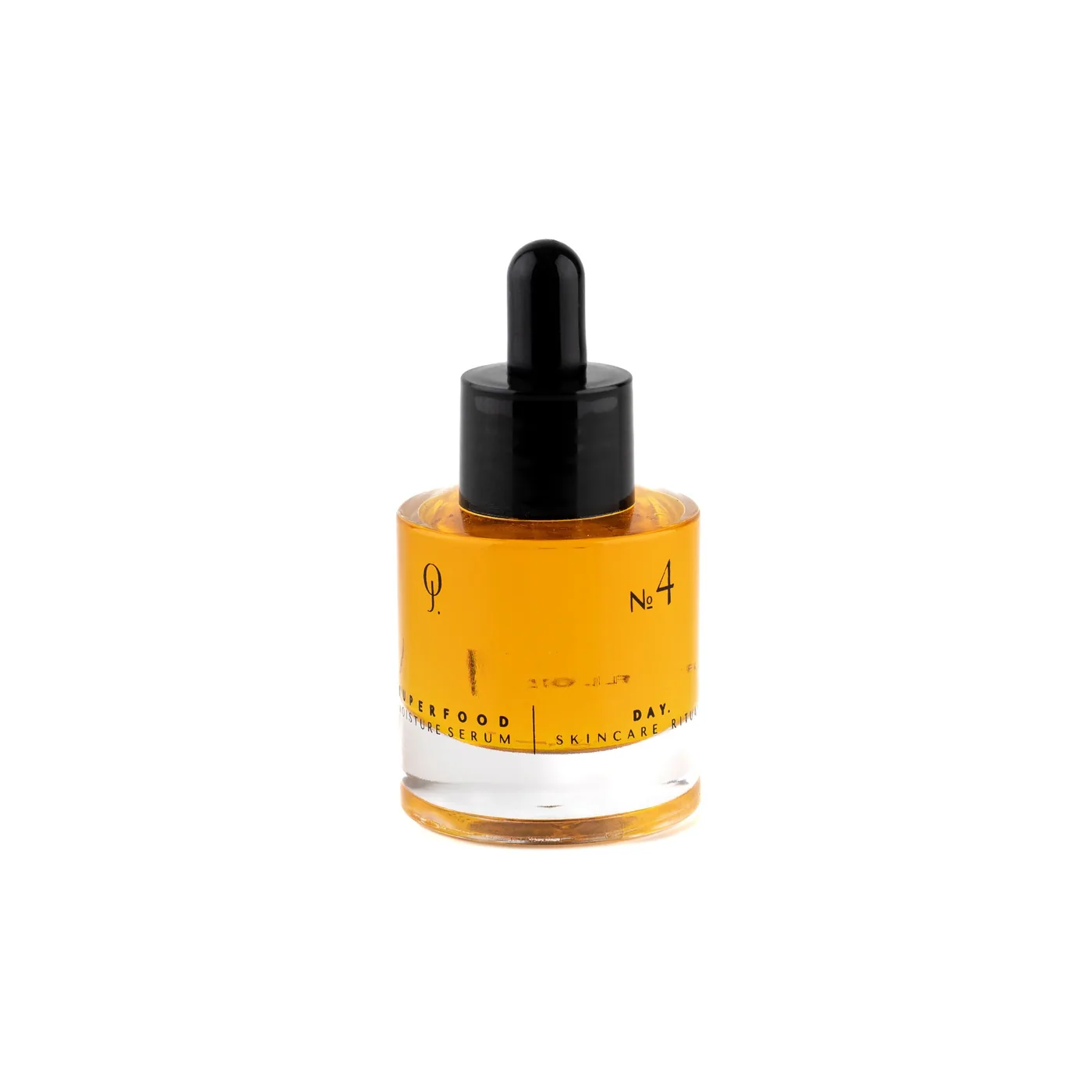
No4. Daily Superfood Moisture Serum
Explore productEvening cleansing already has a different job
Morning cleansing can be very gentle; some people need only lukewarm water or a little cleanser. In the evening, sunscreen, make-up, sebum and particles collected throughout the day need removing. Thorough does not mean aggressive. Squeaky cleanliness is more often a sign of excessive stripping.
A richer balm can follow the water-based layers in the evening. Its advantage is not that it becomes a medicine at night. It offers more lipids, a longer glide and a more occlusive feel when shine and slower settling do not matter. The same amount may feel heavy in the morning; in the evening it is often exactly what someone wants from the final step.

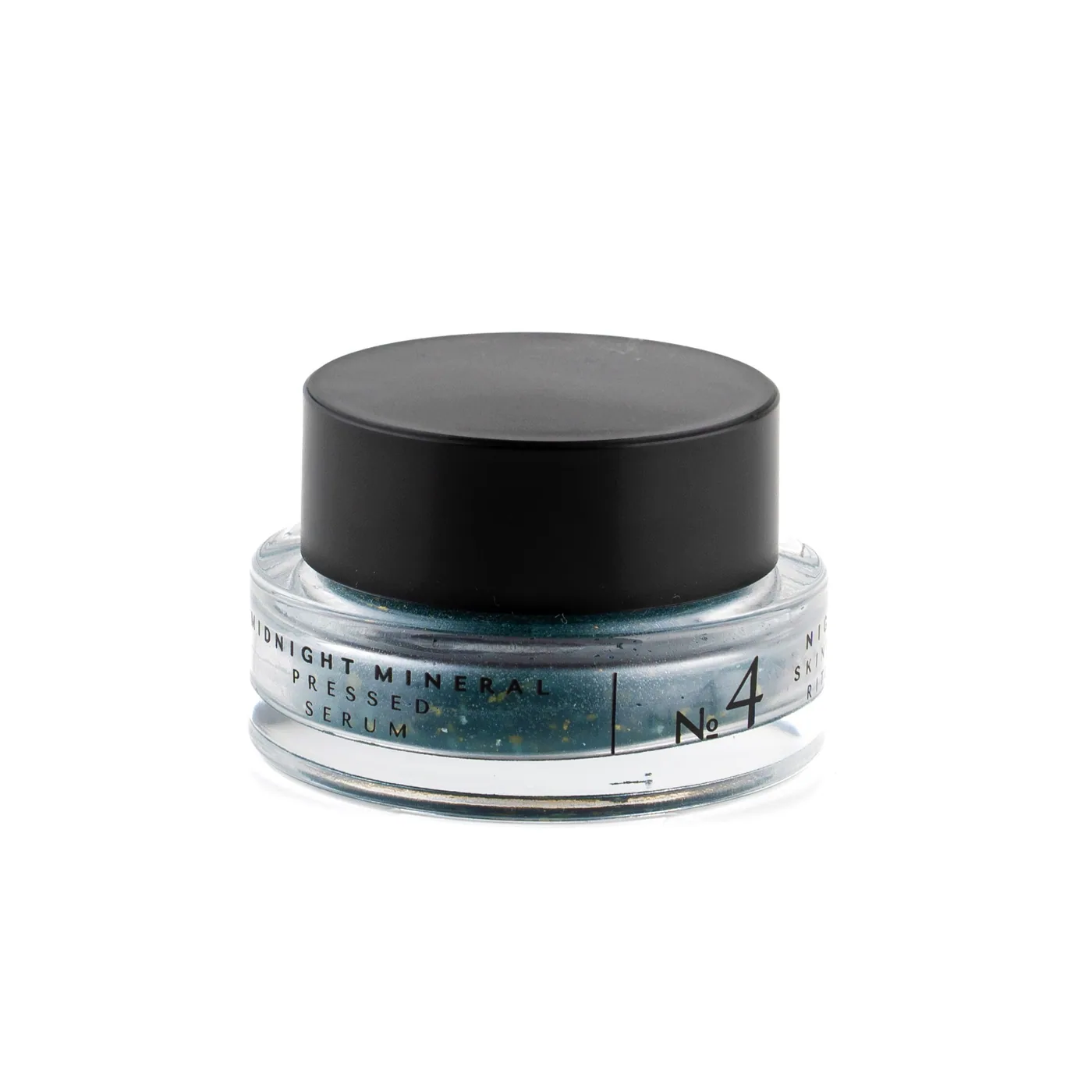
No4. Midnight Mineral Pressed Serum
Explore productSkin is not a calendar
Day and night categories are not obligations in every kind of weather. Dry skin may need a slightly richer daytime finish in winter. In hot, humid summer weather, it may be comfortable with less balm at night. If you work night shifts, blindly matching products to the clock makes little sense. Day care is the branch followed by light, time outside and sunscreen; evening care is the cleansing, quiet and longer-rest phase.
Nor must every morning repeat the entire ritual at the same intensity. A routine works while it responds to the actual state of the skin. Tightness may call for more water-based hydration. If skin shines under the layers and make-up moves, the first step is reducing the amount, not adding powder.
Finding the right amount
Start with a small amount of a light day serum, adding more only if spreading creates drag. Skin may feel supple afterwards, but should not remain greasy for a long time. Let the serum settle briefly before sunscreen.
For night balm, use a spatula or clean, dry fingers as directed on the packaging. First warm a small amount between your fingertips or palms. Once it becomes a thin oil layer, press it onto the face, neck and décolletage. Adding more is easy; removing a thick layer is not.
Morning and evening are not two cosmetic ideologies. They are two answers to a simple question: what comes next for your skin? Once you ask it, choosing the last layer becomes less of a puzzle.
Two routines, one sensitive barometer
The best guide to morning and evening is not a fixed list but the question of what follows. Morning care has to support sunscreen, perhaps make-up, temperature changes and contact with a scarf or phone. Evening care follows more thorough cleansing and several hours without additional layers. The same product can behave differently in these situations. A balm that feels velvety at night may create too many moving layers beneath morning sunscreen.
The details reveal the difference. A morning routine should not delay sunscreen because every layer needs a long time to settle. If your face takes twenty minutes to stop slipping, the routine is probably richer than that morning requires. At night, applying as much as possible is not the goal either. A pillow absorbing excess balm is not a sign of more intensive care.
Skin also responds to sleep, the menstrual cycle, stress, air conditioning and heating. One morning it may want a full watery base, another just light refreshment and protection. Evening choices may change after sport, a long flight or a make-up-free day. A ritual remains understandable when it offers a clear structure with room to adjust amounts, rather than an unchanging prescription.
A simple sign that the distinction works: you do not need powder to rescue the morning routine, and at night you do not keep adding layers because of tightness. If a problem recurs, adjust the amount of one step first. Only then change the product. Even luxury care should be clear enough for you to recognise which small change made a difference.
Explore No4. Day and No4. Night