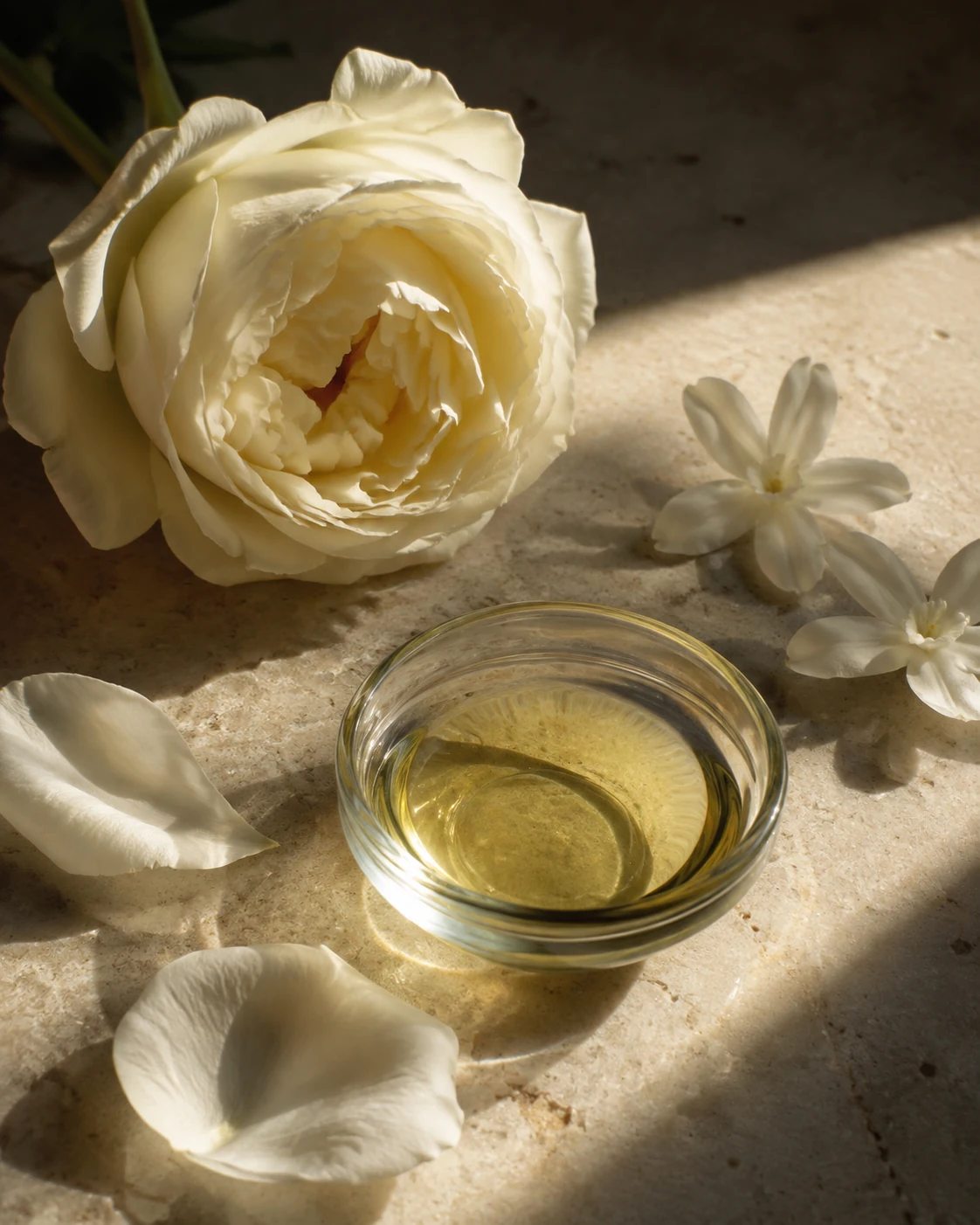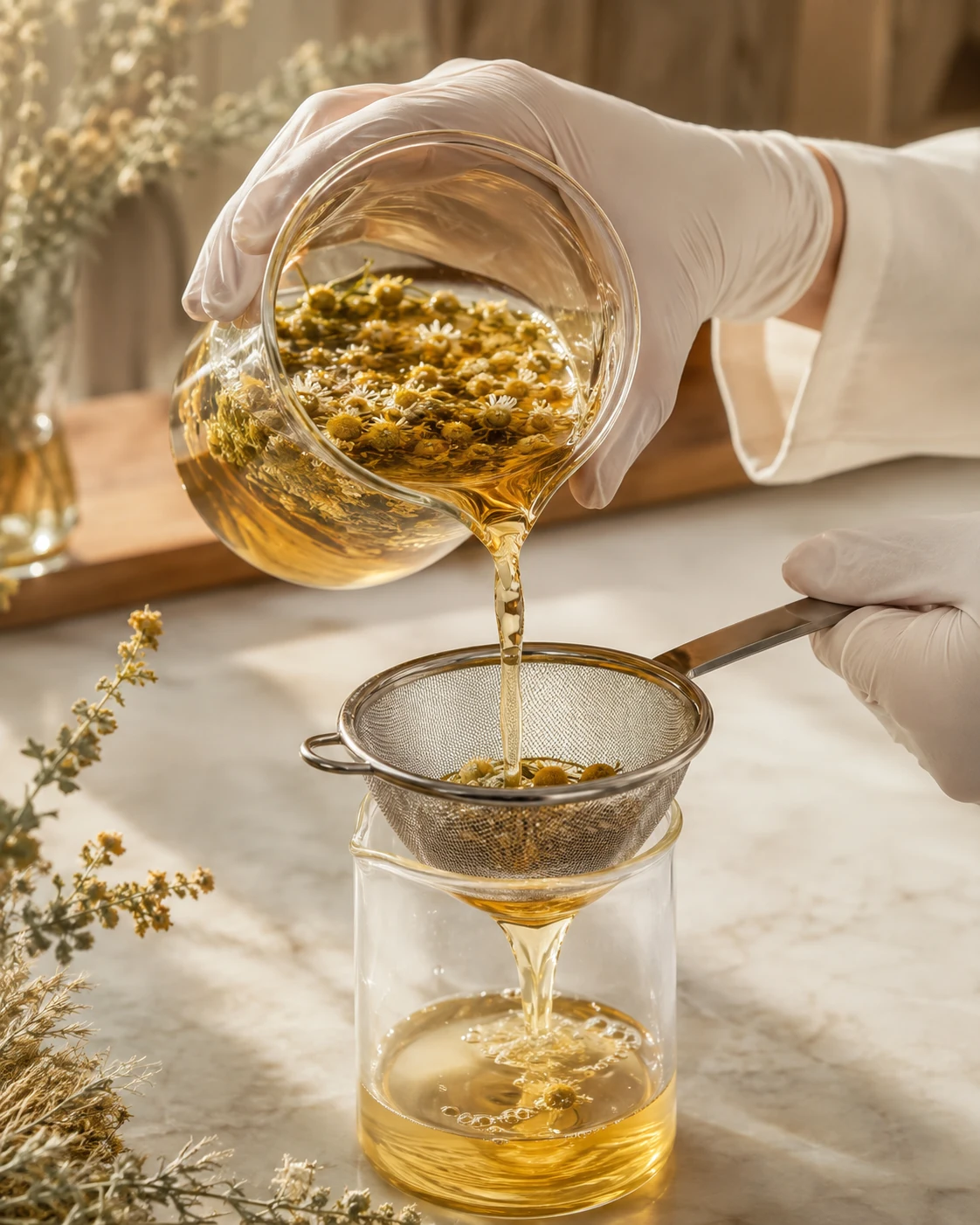
In cosmetics, it is easy to fall for the image of production before its substance. A glass beaker of golden oil looks more poetic than a batch-number spreadsheet. Yet that spreadsheet, temperature record, material identification and finished-product check determine whether handmade work is trustworthy.
A small batch is not the opposite of industrial precision. Quality may require that precision to be even more visible. When one person leads much of the process, there is less anonymity, but no room for undocumented improvisation either.
What is a batch?
A batch is a defined quantity made under specified conditions so that it shares one history. Raw materials have identifiers, production has a method, and finished containers have a number that allows the product to be traced.
The batch number is not a decorative code. It connects a bottle to its manufacturing record when a customer asks a question or a check is needed. Traceability is one of the most practical differences between cosmetics and a mixture poured into a pretty container without a system.
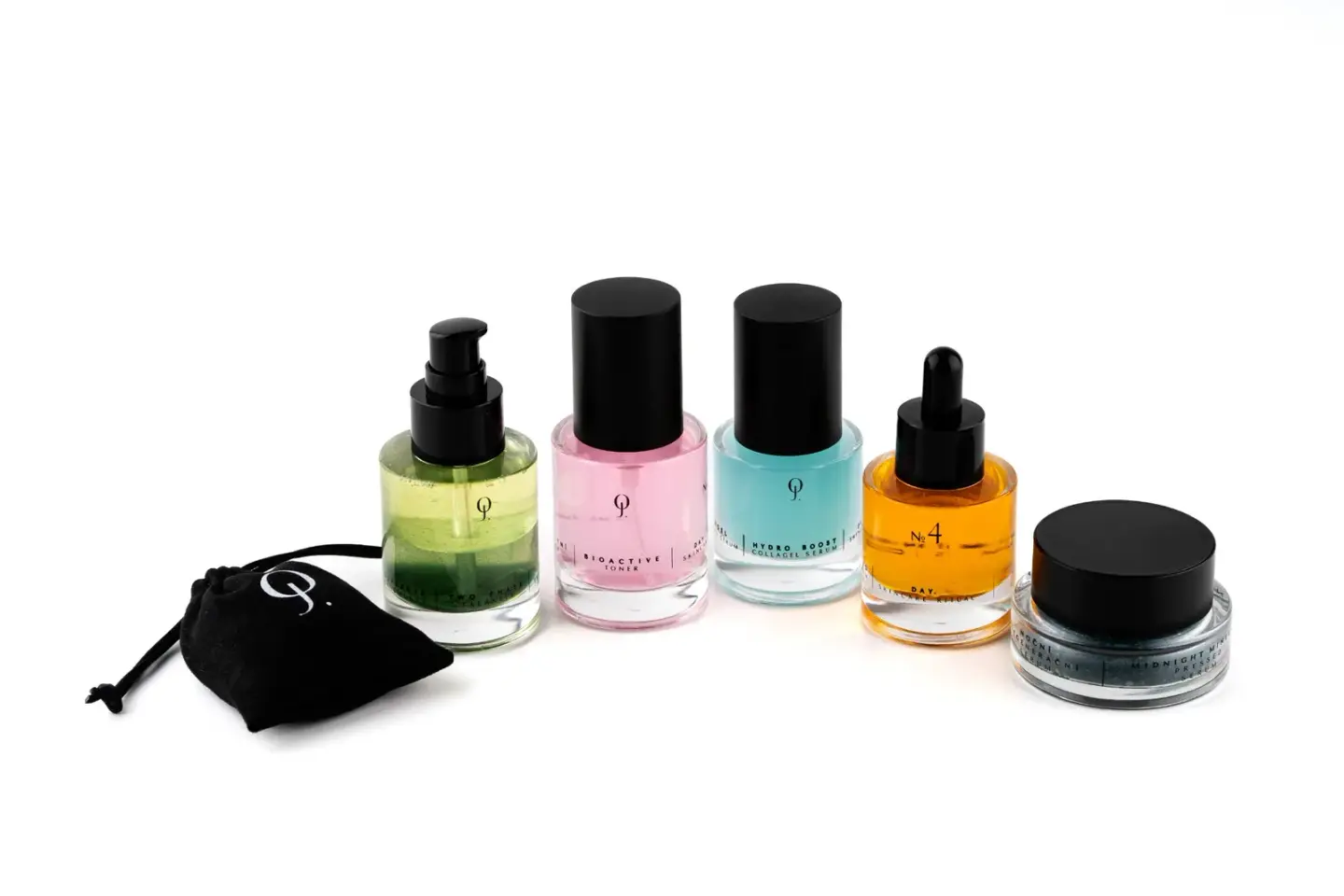
Generation Perfect Complete
Explore productStarting from scratch does not mean guessing
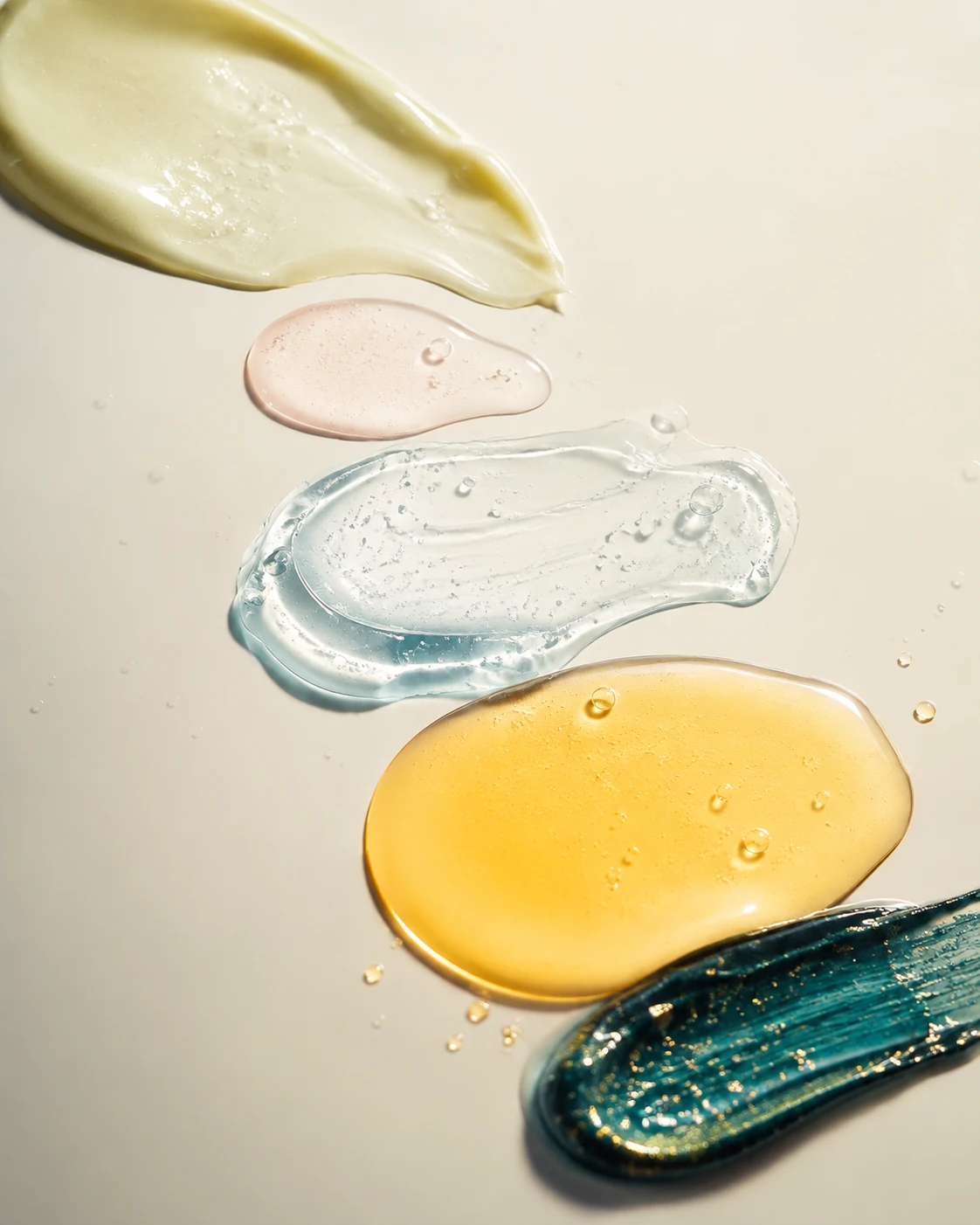
Manufacturing from weighed ingredients involves many quiet decisions. Some materials go into the water phase, others into the oil phase. Some require a particular temperature or sequence. Emulsions depend on how phases combine, gels on polymer hydration, and balms on wax handling and cooling.
Hand-mixed should therefore not mean reinventing the recipe by intuition every time. The formula and production method must be precise enough for the next batch to match the previous one in safety, function and sensory character.
A small change in mixing speed or temperature can affect viscosity. Natural oils may differ slightly in colour or scent between deliveries. Production must recognise which natural variations are acceptable and which indicate a problem, rather than denying every difference.
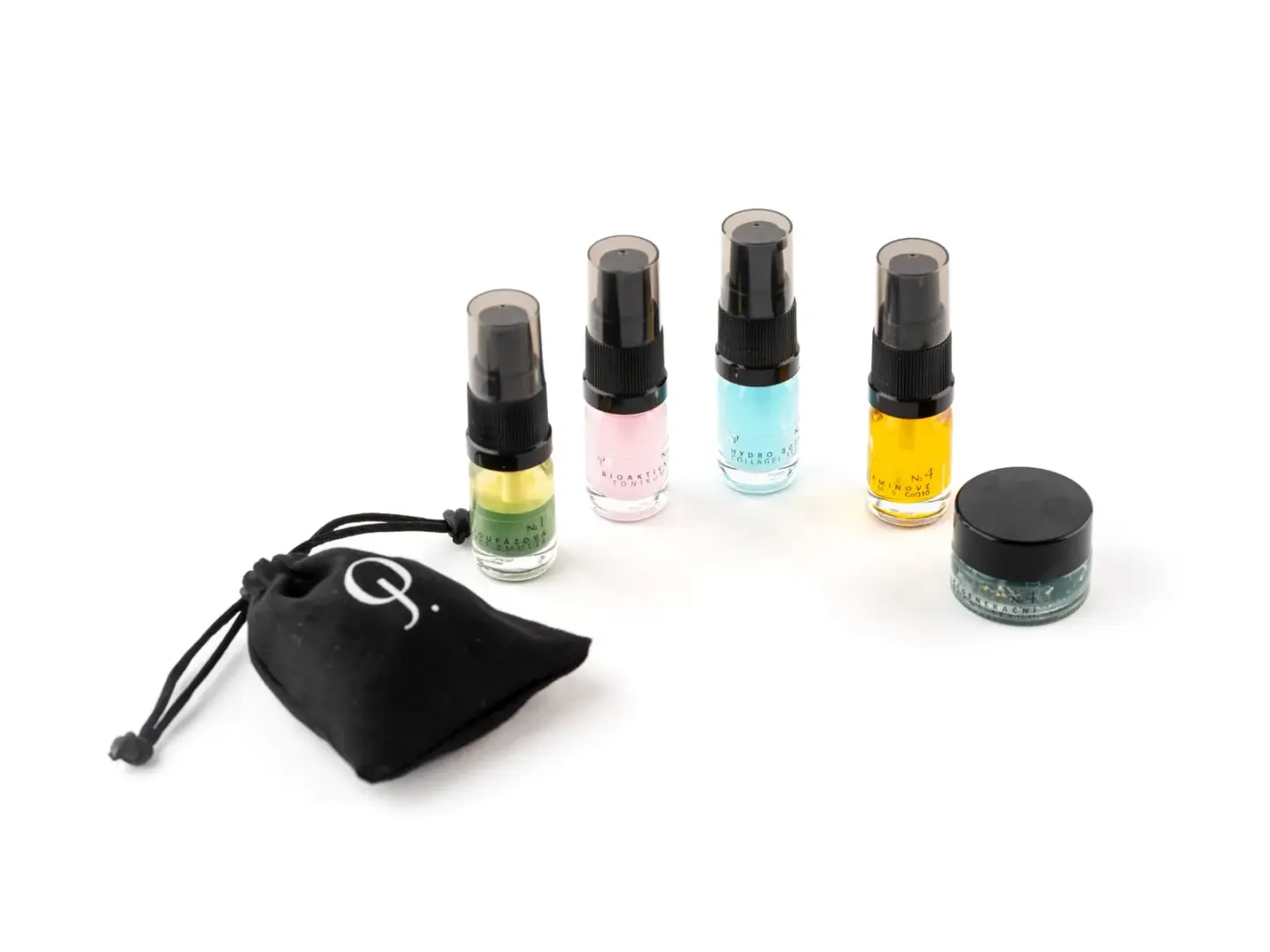
Generation Perfect Travel Luxe
Explore productWhat a small batch does not guarantee
It does not automatically guarantee greater efficacy. By itself, it says nothing about formula quality, safety assessment, microbiology or stability. Nor does it automatically mean preservative-free: water-based cosmetics need a safe preservation system whatever the batch size.
A small batch is not synonymous with freshness unless a brand can substantiate manufacturing dates, stock rotation and shelf life. Botanical scent is not a reliable home freshness test either. A customer may recognise a marked change or rancidity, but cannot assess safety and stability by smell alone.
Why choose it, then?
Smaller volumes can make close process oversight, flexible planning and shorter finished-stock storage easier. In a boutique brand, the person responsible for the recipe can know the actual production, rather than being separated from it by several organisational layers.
There are disadvantages too. Manufacturing takes more time, packaging and materials are bought in smaller quantities, and every batch requires fixed preparation, checking and documentation work. A small batch is not an efficiency shortcut. It is a deliberate operating model.
The most interesting part is not mixing
Pouring oil into a beaker photographs beautifully. For accountability, the moments before and after may matter more: checking materials, calculating weights, recording a deviation, cleaning equipment, checking labels and keeping a sample. This is where craft becomes cosmetic manufacturing.
A small batch makes sense when it brings decisions closer to responsibility, not merely when it shrinks the vessel in a photograph.
The batch number is a quiet connection
An unobtrusive code, often on the base, is easily overlooked. For the manufacturer, it links a particular item, its production record and ingredients. If a question arises about colour, scent or behaviour, knowing the product's name is not enough. Its batch number reveals when it was made and which production run it belonged to.
That is why keeping the code matters if it is only on the outer box. When contacting the brand, a product photograph, batch number, opening date and brief storage description help. Saying it differs from last time starts a conversation; those details turn it into usable information.
Small-scale production does not mean every jar is an original improvisation. The more manual the process, the more important repeatable methods, accurate weighing, sanitation, temperature checks and recorded deviations often become. Cosmetic craft is not the opposite of discipline. It is discipline at a smaller scale, where each mistake is more visible.
Customers do not need to know the technical protocol. They should receive a clear explanation of what small batch actually means and what it does not promise. That openness is more interesting than a romantic photograph of a mixing vessel.
Natural materials may cause small differences in shade or scent, but variation should not become a universal excuse. The brand must know the acceptable range and distinguish natural variation from instability. Customers should not have to guess; they deserve a specific answer for the product and batch.
What goes into the price of a small batch Step inside the atelier