The word microbiome settled onto cosmetic packaging faster than we learned to explain it. Sometimes it sounds like an invisible shield, sometimes a garden needing only the right toner. Both metaphors are appealing, and both are imperfect.
The skin microbiome comprises microorganisms and their genetic information in a particular environment. That environment varies across the body. Different communities thrive on oilier facial areas, dry forearms and more humid places. Age, climate, sweat, sebum, hygiene, cosmetics and individual biology all affect its composition.
It is not a fixed tenant list with every species labelled good or bad. The same microorganism can be a normal part of healthy skin and contribute to problems under different conditions. Balance describes the relationship between microorganisms, the skin barrier and the environment, not one universal number.
What happens after cleansing
Cleansing changes the skin's surface mechanically and chemically. It removes sebum, sweat, particles and some microorganisms; depending on the formula, it may briefly affect pH and comfort too. Everyday care is not intended to sterilise the surface. Sterile skin is neither a realistic nor a desirable cosmetic goal.
After cleansing, toner can supply water, humectants and other conditioning ingredients. It can ease tightness and create a comfortable transition to serum. That is a specific, honest role. Claiming one toner restores the microbiome would require much more precise explanation and evidence for the finished product.
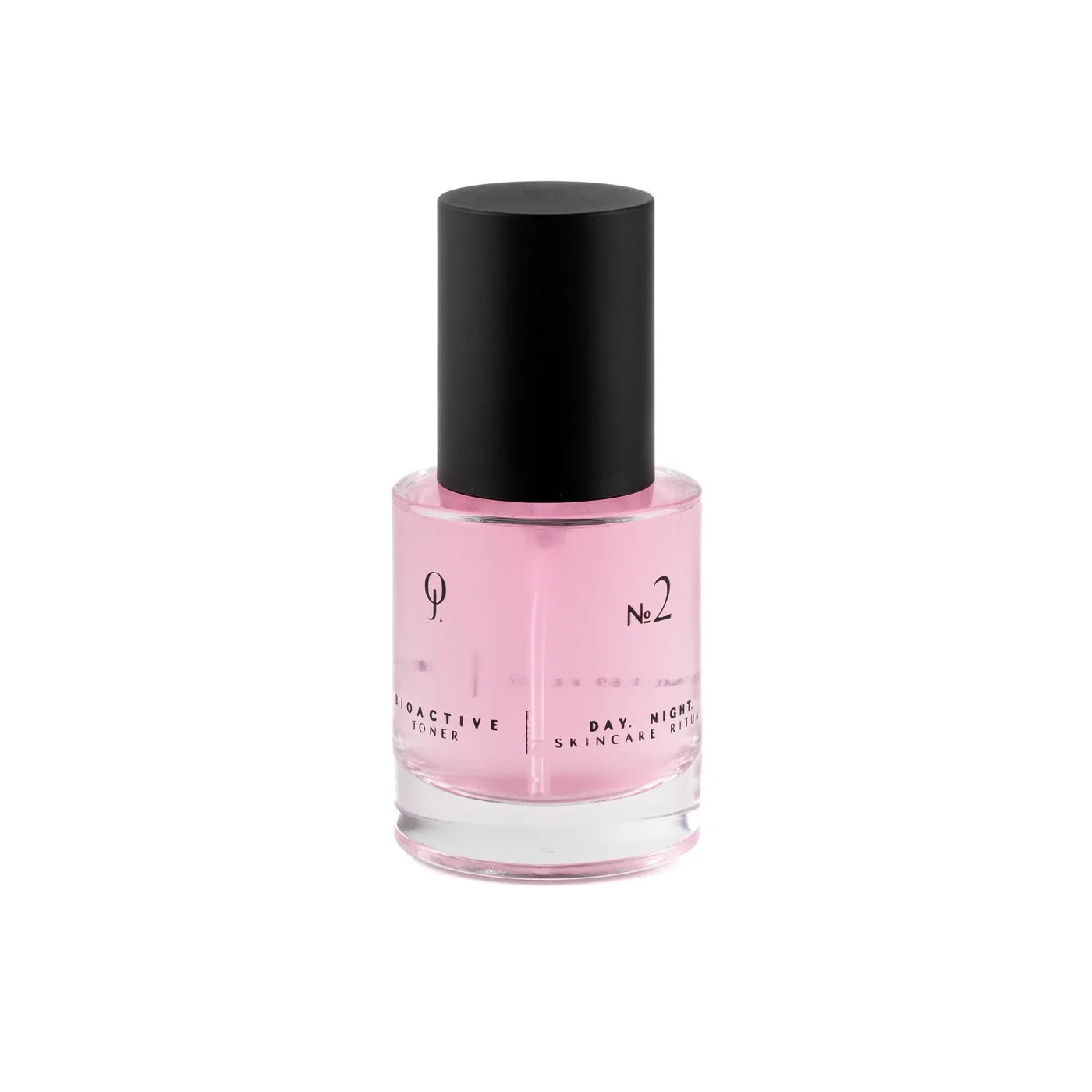
No2. Bioactive Toner
Explore productA ferment is not automatically a probiotic
INCI names may include Ferment, Ferment Lysate or Filtrate. These refer to materials produced through fermentation or processed parts of them. They need not contain living microorganisms. In cosmetics, their roles may include conditioning, hydration or formulation support, depending on the material and the recipe.
People associate probiotic with living microorganisms in food. Transferring that idea directly to cosmetics is misleading. A product containing water also needs a safe preservation system: a jar of uncontrolled live cultures would not indicate luxury.
Similar caution is useful with prebiotic and postbiotic. These terms can have scientific meanings but are sometimes used loosely on packaging. The precise material, amount, function and evidence for the finished formula are what matter.
pH matters, but is not magic
The skin surface is naturally slightly acidic, which relates to barrier function and the environment for microorganisms. That does not mean every acidic toner treats the microbiome, or that you need to measure your face with litmus paper at home.
In practice, tolerability of the whole routine matters more. Harsh cleansing, frequent exfoliation and several irritating actives can disrupt comfort regardless of the fashionable microbiome slogan on the final bottle.
What you can reasonably expect from toner
A well-chosen toner can:
- replenish a watery layer after cleansing,
- supply humectants and conditioning ingredients,
- reduce the feeling of tightness,
- prepare a comfortable surface for serum,
- contribute to the overall comfort of the routine.
It cannot diagnose or treat acne, rosacea, eczema or infection. Persistent redness, painful symptoms, weeping or severe itching call for a dermatologist, not an experiment with another fermented extract.
More bacteria is not automatically better
Microbiome diversity is often described as universally positive. In biology, however, meaning depends on location and context. The aim is not to collect as many species as possible. What matters is stable functioning of a particular ecosystem and its relationship with its host. Cosmetic promises should therefore avoid reducing a complex system to one percentage or one heroic bacterium.
The microbiome is no reason to fear washing your face or to buy the first product bearing a Latin bacterial name. It reminds us that skin is not an inert covering. A measured routine that respects the barrier and does not try to reset everything every week usually serves it best.
Distinguishing honest claims from microbiome magic
When a brand discusses the microbiome, ask what its product actually contains and what was tested. With a fermented ingredient describes a formula. Supports the microbiome is a claim needing a clearly explained basis. Restores the right bacteria goes further still, assuming a universally correct composition for every face.
Cosmetics may use the terms prebiotics, probiotics and postbiotics. A prebiotic is intended as a substrate for certain microorganisms; a probiotic refers to living microorganisms supplied in an appropriate amount; postbiotics are non-living microorganisms, their parts or products with an intended effect. Marketing often blurs these boundaries. A fermented filtrate is therefore not automatically a live probiotic.
For the person using it, the finished toner's behaviour ultimately matters more: whether it stings or tightens skin, layers well and stays protected by its packaging in normal use. The microbiome is fascinating research, but a home routine need not pretend to manage an ecosystem in a laboratory. A gentle, well-formulated toner can be valuable without promising to reset the entire world of the skin.
A claim deriving the whole product's result from one material also deserves scrutiny. A ferment can be an interesting component, but toner is a system of water, moisturising ingredients, preservation, pH adjustment and other materials. Skin responds to the whole. Honest communication explains the ferment's role without implying that everything else is merely scenery.
Explore No2. Bioactive Toner